
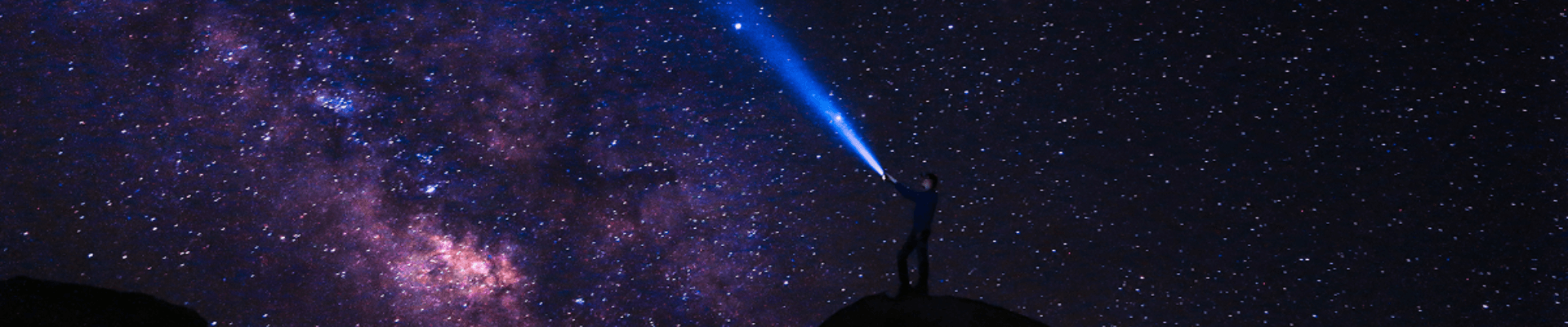
Leave the City Lights Behind.
Spend a Night With the Universe.
Some weekend trips give you photographs.
Some give you stories.
And once in a while, you find a place dark enough to remind you just how much of the night sky the city has been hiding from you.
Welcome to a different kind of night in Jawadhu Hills — where the campsite grows deliberately dark after sunset, tents replace hotel rooms, conversations slow down and a guided telescope brings the Moon, planets, stars and deep-sky wonders closer. Weekend-friendly from Chennai & Bengaluru.
Your tent is beneath the stars. Your journey begins by looking up.
THE DARKNESS IS THE EXPERIENCE
When Every Light Goes Off, Thousands More Come On.
There is one thing we intentionally don’t add to the night.
Light.
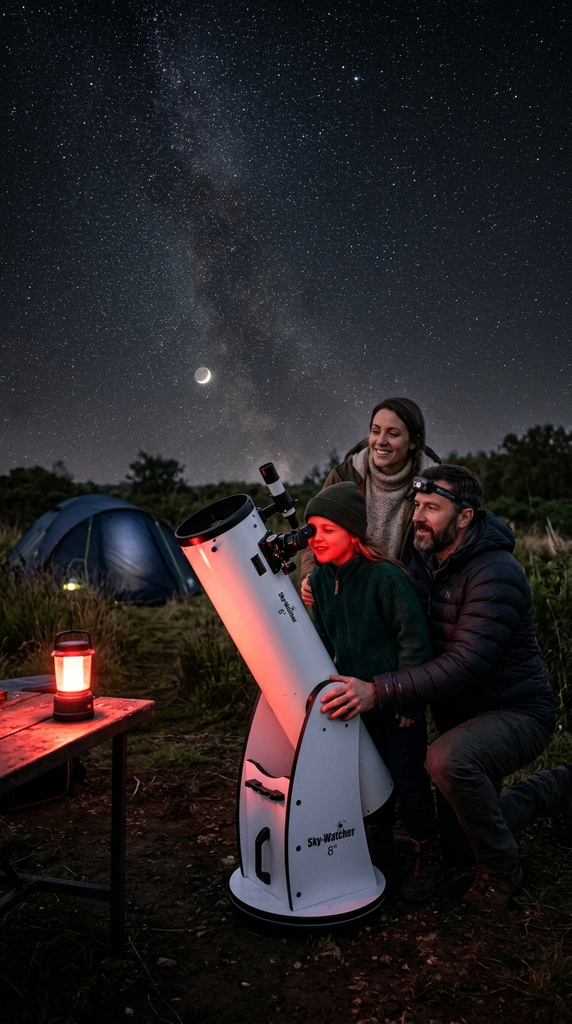
Once the observing session begins, unnecessary artificial lighting across the stargazing area is switched off. No decorative floodlights. No brightly illuminated lawns competing with the stars.
Only essential emergency lighting and carefully used torches when required.
Why?
Because your eyes need darkness too.
Spend approximately 20–30 minutes away from bright white light and your eyes gradually become more sensitive to the night. Stars that initially escaped your attention begin appearing. Constellations become easier to trace. The background sky becomes richer. And on favourable moonless nights, the Milky Way can emerge as the soft, cloud-like band it actually looks like to human eyes.
This is not manufactured darkness.
It is about protecting the darkness already present here.
Why is Jawadhu Hills good for stargazing?
The Kavalur side of the Jawadhu Hills (Javadi) in the Eastern Ghats lies far away from the intense urban skyglow of Chennai and Bengaluru. The region is also home to the Vainu Bappu Observatory, making this landscape deeply connected with Indian optical astronomy.
Around this part of the hills, the observing environment can reach approximately Bortle 3 – 4 class conditions, although actual sky quality varies with weather, humidity, Moon phase, atmospheric transparency, nearby lighting and observing direction.
For someone accustomed to a bright city sky, the difference can be remarkable.
In the city, you search for stars.
Here, you may start searching between them.
ONE SKY, MANY REASONS TO COME
Whatever You Are Celebrating, Give It a Bigger Ceiling.
There doesn’t have to be one definition of a perfect stargazing night.
- For two people, it might be quiet.
- For fifty children, wonderfully noisy.
- For photographers, patient.
- For friends, full of laughter.
The same sky becomes a completely different memory depending on who stands underneath it.
❤️ Date Nights, Proposals & Honeymoon Escapes
Imagine replacing restaurant lights with moonlight.
Plan a quiet telescope date, celebrate an anniversary beneath the stars or ask one of life’s biggest questions beneath one of nature’s biggest views.
A Full Moon night can create a beautifully bright lunar landscape and spectacular telescope views of our nearest celestial neighbour, while darker Moon phases create a completely different atmosphere for stars and the Milky Way.
Different nights.
Different skies.
Same reason to remember them.
👨👩👧👦 Families & Get-Togethers
Grandparents, parents and children rarely get excited about exactly the same thing.
A telescope has a funny way of changing that.
Watch a child discover that Jupiter has moons.
Let grandparents see lunar craters in remarkable detail.
Find constellations together.
Ask questions nobody planned to ask.
For a few hours, everyone’s age seems much less important than their curiosity.
🧑🤝🧑 Weekend Trips With Friends
Drive out from Chennai or Bengaluru.
Put the office chats away.
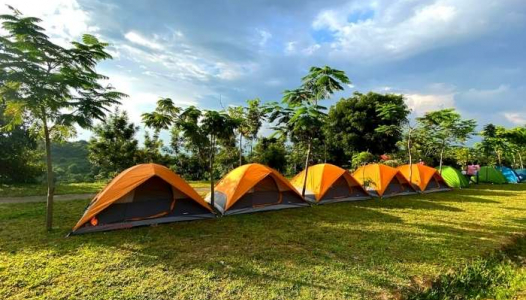
Settle into your tents.
Spend the night spotting constellations, arguing about which bright object is a planet, passing the telescope around and discovering how quickly a casual weekend can become a story everyone keeps retelling.
🎓 Schools & Young Explorers
Astronomy becomes very different when the object in the textbook is suddenly above your head.
A guided night can introduce students to the Moon, planets, constellations, stellar distances, celestial motion, light pollution and observational astronomy through experience rather than slides alone.
One good question through a telescope can sometimes teach more than another page of notes.
🧑💼 Corporate Teams & Large Groups
Take the team somewhere without meeting-room walls.
Dark-sky sessions can become an unusual setting for team outings, leadership retreats, milestone celebrations and corporate get-togethers — combining shared discovery with the simple advantage of spending uninterrupted time together.
📷 Amateur & Professional Astrophotographers
For photographers accustomed to fighting urban skyglow, roughly Bortle 3–4 class conditions can create considerably better opportunities for wide-field Milky Way photography, star trails, constellations and deep-sky imaging when weather, Moon phase and atmospheric conditions cooperate.
Bring the tripod.
Bring the tracker.
Bring patience.
The sky will decide the rest.
What will you see at Stargazing in Jawadhu Hills?
Tonight’s Sky Does Not Come With a Fixed Menu.
And that’s precisely what makes astronomy fascinating.
Your night may begin with something familiar…
🌙 The Moon
Not just a white circle.
Through a telescope, shadows reveal craters, mountain ranges, valleys and the dramatic boundary between lunar day and night.
🪐 Planets
Depending on the season and planetary positions, you may encounter Jupiter and its Galilean moons, Saturn and its rings, Venus showing phases, Mars, or other visible planets.
Sometimes the tiny bright object you’ve seen from the city for years finally becomes a world.
✨ Stars & Double Stars
Some stars reveal striking colour differences. Others that appear as one point to the naked eye resolve into pairs through a telescope.
And then there is the challenge of learning their names and finding them yourself.
🌌 Star Clusters, Nebulae & Deep-Sky Objects
Under suitable conditions, telescope observations may include open clusters, globular clusters, bright nebulae and selected galaxies.
Don’t expect them to resemble colourful NASA photographs through the eyepiece.
What you are seeing is subtler — and in some ways much more extraordinary.
Those actual photons travelled across space before ending their journey inside your eye.
🌠 The Milky Way
Can you see the Milky Way from Jawadhu Hills?
It is possible on suitable nights — but it should never be guaranteed.
The best opportunities generally require the right season, low Moon interference, clear transparent skies, limited haze and enough time for your eyes to adapt.
To the naked eye, expect a pale, textured band across a genuinely dark sky rather than the highly saturated appearance of long-exposure astrophotography.
And that difference between photograph and reality is part of what we explain.
Full Moon or New Moon — Which Should You Choose?
Neither is universally “better.”
🌕 Choose a brighter Moon night if you love
Lunar landscapes • Moon photography • crater details • romantic moonlit ambience • first-time telescope experiences
🌑 Choose a darker Moon phase if you love
Milky Way hunting • meteor showers • faint stars • clusters • nebulae • astrophotography • maximum dark adaptation
Your ideal night depends on what you want to experience.
Tell us your date.
We’ll let the sky guide the plan.
FROM 2 PEOPLE TO 150+, THE SKY STILL FEELS PERSONAL
A Campsite Built Around the Night, Not Just the Stay.
A memorable astronomy experience needs something surprisingly simple:
space to look up.
The GoGo Camping tenting ground can accommodate everything from a lovely couple’s night to large gatherings of up to approximately 150 guests, creating possibilities that ordinary resort-style stargazing cannot easily offer.
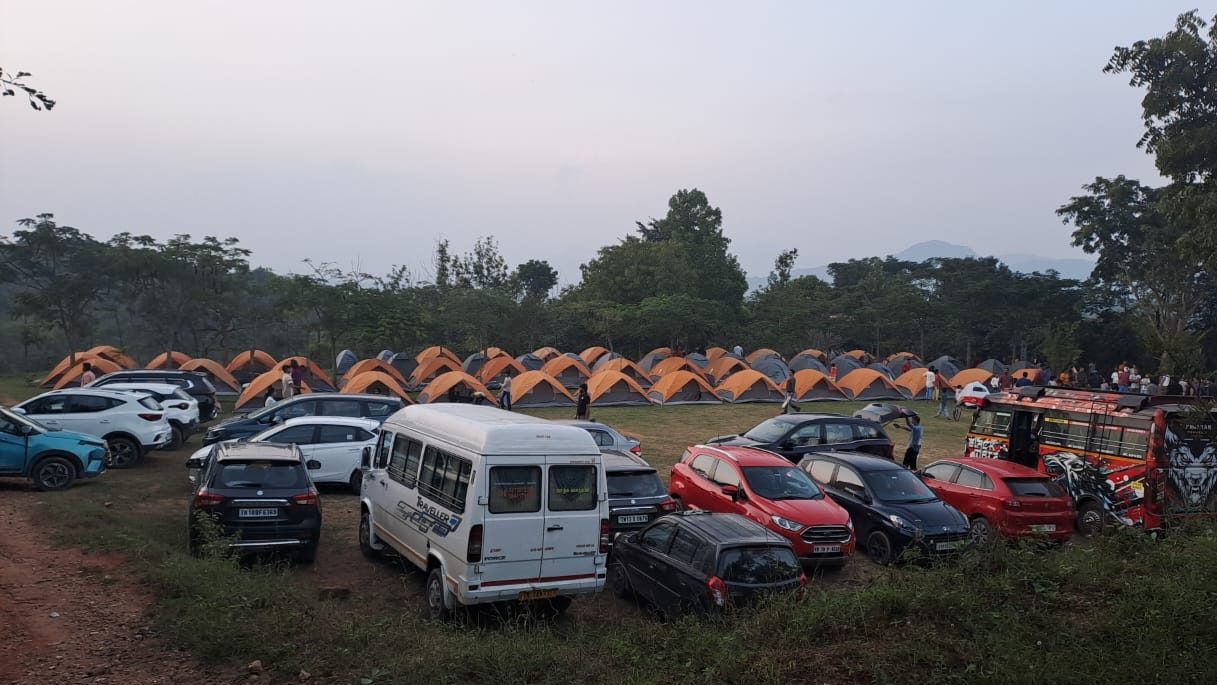
But scale doesn’t have to make the experience impersonal.
A night can be shaped differently depending on who arrives.
For a Couple
- A quieter observing experience.
- The Moon. A telescope. A few stories from the universe.
- And enough silence to make the night yours.
For Families & Friends
- Interactive sky orientation, telescope turns, constellation spotting, questions, photographs and plenty of “wait… let me see that again.”
For Schools
- A structured astronomy experience that can connect naked-eye observations with telescope viewing, fundamental astronomy concepts and curiosity-led learning.
For Corporate & Large Groups
- A shared sky tour designed around participation rather than passive watching — giving people something unexpected to discover together.
For Serious Stargazers
- A darker observing environment where artificial light is actively controlled, giving your eyes, binoculars, telescope or camera a much better chance to work with the real night sky.
Planning a couple’s night, birthday, proposal, honeymoon, family gathering, school trip, corporate outing, astrophotography session or astronomy weekend? Tell us what you have in mind and we’ll help shape the experience around your night.
Questions to Ask Before You Look Up
Is Jawadhu Hills good for stargazing?
Yes. The Kavalur–Jawadhu Hills region is relatively far from major urban light pollution and is home to the Vainu Bappu Observatory (one of Asia’s largest optical telescopes), operated by the Indian Institute of Astrophysics. Local observing conditions can reach roughly Bortle 3–4 class darkness in favourable areas. Actual visibility still depends on cloud cover, haze, humidity, Moon phase and local lighting on the night of your visit.
Can we see the Milky Way from Jawadhu Hills?
The Milky Way can be visible to the naked eye from darker parts of Jawadhu Hills when the season, timing, Moon phase, atmospheric transparency and local darkness align. It normally appears as a pale cloudy band rather than like a colourful astrophotograph. Moonless nights during the appropriate Milky Way season generally provide the strongest opportunity.
What can we see through the telescope?
The observing list changes throughout the year. Depending on your date, it can include the Moon, Jupiter and its moons, Saturn’s rings, Venus, Mars, double stars, star clusters, bright nebulae and selected deep-sky objects. Astronomy is weather- and season-dependent, so individual celestial objects should not be treated as guaranteed targets.
Is Full Moon a bad time for stargazing?
Not necessarily. A bright Moon reduces contrast for faint deep-sky objects and the Milky Way, but it creates an excellent opportunity for lunar observation. Through a telescope, crater walls, mountain ranges, shadow boundaries and surface features can be spectacular. Full Moon nights can also work beautifully for couples, celebrations and moonlit outdoor experiences.
Is this suitable for children and first-time stargazers?
Absolutely. No previous astronomy knowledge is required. In fact, beginners and children often bring the most interesting questions. Guided sessions can introduce constellation identification, Moon and planet observations and basic astronomy concepts in an approachable way. Children should remain supervised by accompanying adults throughout the outdoor night experience.
Can we plan a proposal, anniversary or honeymoon stargazing experience?
Yes. Astronomy lends itself particularly well to intimate occasions because the experience can be planned around your preferred date, Moon phase and likely sky conditions. A Moon-rich night creates a romantic lunar setting, while a darker night places greater emphasis on stars and potentially the Milky Way. Share the occasion while enquiring so the experience can be planned appropriately.
Can schools and corporate groups organise stargazing here?
Yes. The tenting environment can support both small groups and gatherings of up to approximately 150 participants. School experiences can emphasise astronomy education and observation, while corporate events can combine guided sky exploration with an outdoor team experience. Group structure and telescope flow should be planned according to participant numbers.
Is the campsite completely dark during stargazing?
Unnecessary artificial lighting in the observing area is intentionally minimised so guests can develop dark adaptation and enjoy better sky visibility. Essential emergency lighting and torches remain available for safety. Guests are encouraged to avoid bright phone screens, flashes and white torches during observing periods whenever practical.
Can astrophotographers bring their own cameras and equipment?
Yes. The darker skies around Jawadhu Hills can be attractive for wide-field astrophotography, star trails and, with appropriate equipment, deep-sky imaging. Results still depend heavily on Moon phase, cloud cover, humidity, atmospheric transparency, the horizon and camera technique. Serious photographers should enquire with their intended date and target before planning the trip.
What happens if the weather turns cloudy?
Stargazing is fundamentally weather-dependent. Clouds, rain, mist or poor atmospheric transparency can limit or prevent telescope observations regardless of equipment quality. Sky conditions should therefore be reviewed as the event approaches. We prefer realistic expectations over promising celestial objects that nature may not make available.